Free Shipping on $50 Orders

Cliff Keen
Legendary Wrestling Coach and Headgear Pioneer
1/6/20263 min read
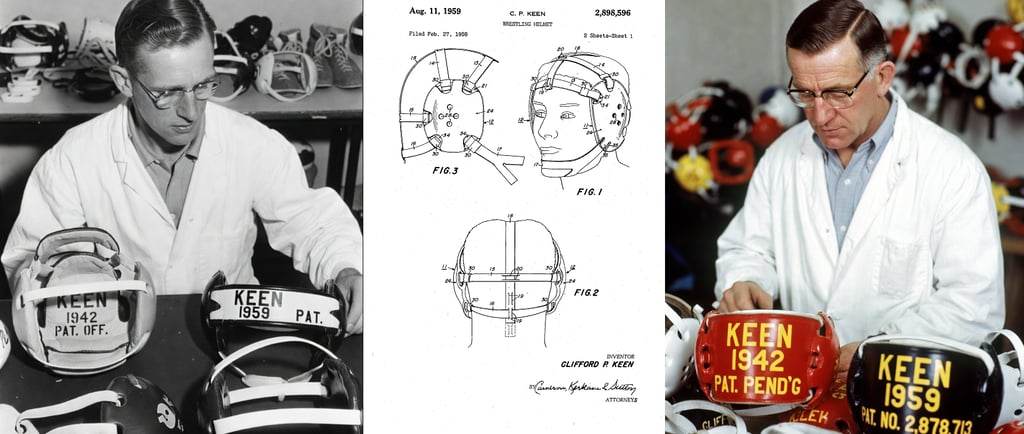
Clifford Patrick Keen, born on June 13, 1901, in Cheyenne, Oklahoma Territory, stands as a towering figure in American wrestling, renowned for his unmatched coaching longevity, championship success at the University of Michigan, and innovative contributions to athlete safety. His life bridged the sport's rugged early days with its modern, professional era, earning him the moniker "the father of Michigan wrestling" and a lasting impact through his inventions and mentorship.
Early Life and Athletic Excellence
Raised on a farm in rural Oklahoma, Keen developed a strong work ethic and athletic prowess from a young age. He attended Oklahoma A&M College (now Oklahoma State University), where he wrestled under the pioneering coach Edward C. Gallagher. Keen was an undefeated collegiate wrestler, capturing three Missouri Valley Conference championships and the national invitational title. His versatility shone in other sports too, competing in football and track.
In 1924, he qualified for the U.S. Olympic wrestling team but was forced to withdraw due to a broken rib—his alternate went on to win gold. These experiences instilled in Keen a deep appreciation for technique, discipline, and the physical demands of the sport.
Transformative Coaching Career at the University of Michigan (1925–1970)
In 1925, Keen arrived at the University of Michigan to pursue law school while taking over the school's nascent wrestling program. What began as a temporary role evolved into a 45-year tenure—the longest in NCAA history for any coach at a single institution.
Under his guidance, the Wolverines amassed a dual-meet record of 268–91–9, securing 13 Big Ten Conference championships and finishing in the top three of the conference 40 times. He produced 11 individual NCAA champions, 68 All-Americans, and 81 Big Ten individual title winners, with his teams earning two NCAA runner-up finishes. Keen's coaching philosophy emphasized fundamentals, mental toughness, and character building, turning raw talent into disciplined competitors.
He navigated challenges like World War II, serving as a U.S. Navy lieutenant senior grade while maintaining ties to the sport. His influence extended beyond wins; he mentored generations of wrestlers, including future coaches and Olympians, fostering wrestling's growth in the Midwest and nationally.
Brief Professional Ventures and Continued Advocacy
While primarily devoted to collegiate wrestling, Keen briefly explored professional opportunities, including a stint with the Detroit Lions' training staff in the 1940s. Post-retirement in 1970, he remained active in the sport, serving on NCAA committees and advocating for rules changes that enhanced safety and fairness.
Pioneering Innovation: Wrestling Headgear and Patents
Witnessing the epidemic of cauliflower ear among his wrestlers, Keen turned inventor in the mid-1950s, creating the first modern wrestling headgear to prevent permanent disfigurement. His design featured soft foam ear pads with a secure four-strap system, patented on September 8, 1959 (U.S. Patent 2,898,596). This innovation addressed a critical gap in the sport, absorbing impacts and allowing wrestlers to compete without fear of lifelong injury.
In1958, Keen founded Cliff Keen Athletic to manufacture and distribute his headgear, transforming it from a homemade prototype into a commercial staple. The company expanded into a full line of wrestling apparel and equipment, remaining family-owned and a leader in the industry today. Keen's patent and business acumen not only solved a practical problem but also set standards for protective gear, influencing global wrestling safety protocols.
Honors, Legacy, and Final Years
Keen's contributions earned him induction into multiple halls of fame, including the National Wrestling Hall of Fame (as a Distinguished Member in 1976), the Michigan Sports Hall of Fame, and the University of Michigan Athletic Hall of Honor. The annual Cliff Keen Las Vegas Invitational—one of collegiate wrestling's premier tournaments—and the Cliff Keen Wrestling Club perpetuate his name, drawing top athletes nationwide.
Keen passed away on November 4, 1991, at age 90, leaving behind a legacy of excellence. Survived by his family, he is remembered not just for his records and inventions but for elevating wrestling into a respected discipline. Cliff Keen's life embodied perseverance and innovation, inspiring countless athletes and ensuring the sport's safer, more structured future.
Check Us Out on Socials #ShotShield
Contact
shotshieldgear@gmail.com
© 2026. All rights reserved.
The ShotShield Cushion Insert product line is a supplemental foam padding accessory designed for use with approved wrestling headgear. It is intended only to provide additional soft cushioning for comfort.ShotShield is not designed, intended, or proven to prevent, mitigate, or reduce the risk of concussions, traumatic brain injuries, or any head, brain, neck, or other injuries.
No headgear or accessory can eliminate the risk of concussion or serious injury in wrestling.Concussions and other injuries may still occur even when additional padding is used. ShotShield products are designed solely as a supplemental comfort accessory for use with NFHS- and NCAA-approved headgear. Referees have final discretion on all equipment.Wrestling carries inherent risks of injury.
Always use proper technique, strengthen the neck, follow NFHS/NCAA rules, and seek immediate medical care for any suspected head impact. By using this site and/or purchasing ShotShield products, you accept these terms. Consult coaches, referees, and medical professionals for equipment and safety guidance.
ShotShield Safety Disclaimer:
(567) 2SHIELD
(567) 274-4353