Free Shipping on $50 Orders

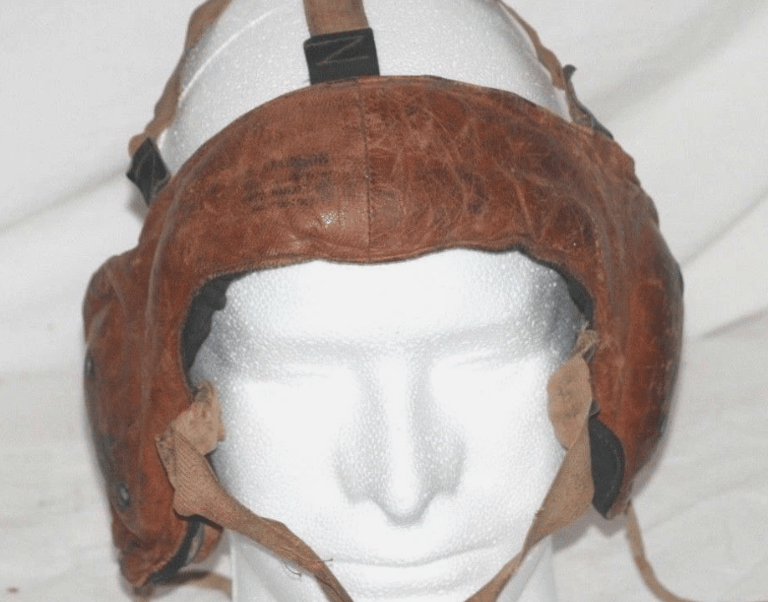
The evolution of head and ear protection in contact sports began with innovations aimed at reducing injuries in football, transitioned to boxing for training purposes, and eventually specialized for wrestling. Early designs often overlapped across sports, with leather helmets serving dual purposes in boxing and wrestling for basic ear and head safeguarding. This timeline traces the chronological development, highlighting key inventions, materials, functions, and requirements, before focusing exclusively on wrestling headgear from the mid-20th century onward.
Late 19th Century: Invention of Leather Football HelmetsHead protection in American football emerged in the late 1890s amid growing concerns over severe injuries, including fatalities from skull fractures and concussions. The first rudimentary leather helmet, known as a "head harness," was invented in 1896 by George Barclay, a Lafayette College player, who had a local shoemaker craft a simple leather cap with earpieces and straps to protect against impacts. This early form was soft leather, offering minimal padding but marking the beginning of organized headgear in sports.
By the 1910s-1920s, designs evolved to hardened leather with internal suspension systems to better absorb shocks, influenced by the sport's increasing physicality.Commercial production began in the 1920s-1930s, with Spalding and Rawlings as the first major manufacturers. Spalding introduced models like the "ZH" (Zuppke helmet) around 1925, featuring full-head coverage with wings and straps, while Rawlings produced similar hardened leather variants. These helmets were not initially required, but safety rules mandated them in college football (NCAA predecessor) starting in 1939 and in the NFL in 1943, driven by injury data and public pressure. Vintage 1920s leather football helmet with cross-straps and minimal padding—early commercial example from Spalding. 1930s Rawlings hardened leather helmet, showing suspension system for impact absorption.
Early 20th Century: Invention and Early Examples of Boxing HeadgearBoxing headgear followed a similar trajectory, focusing on training rather than competition to prevent cuts, bruises, and ear trauma. The earliest examples date to the early 1900s, with rudimentary leather designs offering little padding—essentially softened oxhide strips or basic caps adapted from ancient Greek "himantes" (leather hand wraps from 3000 BCE).
By the 1920s-1930s, more structured leather headgear emerged for sparring, influenced by football innovations, with brands like Everlast producing simple helmets to protect the face and ears during practice. These were not used in professional bouts (which remained bare-headed) but became popular in gyms by the 1930s for amateur training.
Before 1940, headgear was uncommon in competition but gained traction in the 1930s as safety awareness grew. It served a dual purpose with wrestling, where early leather models (e.g., from Reach or MacGregor) were adapted for both sports—providing ear protection against cauliflower ear in grappling and impacts in boxing sparring. This overlap highlighted the shared need for head safety in contact sports, though boxing versions emphasized cheek and forehead padding. 1930s vintage leather boxing headgear from Everlast—basic design with minimal padding for sparring. Early 1900s leather boxing helmet, showing dual-purpose straps similar to wrestling adaptations.
1930s-1950s: Transition to Wrestling-Specific Headgear
Wrestling borrowed heavily from football and boxing leather designs in the 1930s, with rare commercial examples like the Reach Leather Wrestling Head Gear—a brown leather half-helmet with ear cups and straps for gym use. These were dual-purpose, often shared with boxing for ear protection, but unsuccessful due to bulk and discomfort; cauliflower ear remained prevalent as headgear was optional and makeshift (e.g., bandages). Spalding's 1930s-1940s models reflected this crossover but faded as wrestling demanded lighter, more flexible gear.1950s: Cliff Keen Invention and the Birth of Modern Wrestling Headgear
In the mid-1950s, Cliff Keen, a University of Michigan wrestling coach, commercialized the first dedicated wrestling headgear to combat rampant ear injuries. Patented in 1958-1959, the original E41 model featured soft foam ear pads with a 4-strap system (top, back, and chin straps) for secure fit. Materials were basic foam with vinyl straps, focusing on impact absorption to prevent blood buildup in the ears (cauliflower ear). This revolutionized the sport, becoming the foundation for all modern designs. Keen founded Cliff Keen Athletic in 1958 to produce it, marking the shift from dual-purpose leather to wrestling-specific protection. Original 1958 Cliff Keen E41 headgear—foam pads with 4-strap system.
1970s: Wrestling Headgear Requirements and Early ImprovementsHeadgear became mandatory in U.S. high school wrestling (NFHS) in the late 1960s/early 1970s, and in college (NCAA) around 1970-1972, standardizing safety in folkstyle to reduce ear deformities. Designs improved with aluminum inner cups for durability (e.g., 1970s Cliff Keen models), but these were heavy and phased out.
1990s-2010s: Morgan Headgear and Lightweight InnovationsThe Morgan Headgear, introduced in the 1990s (Gladiator model), featured extra padding with a distinctive forehead extension, popular in regions like Pennsylvania for training and neck strengthening. Made in the USA, it used foam and straps for a bulky, durable fit but was niche—criticized for added weight and not fully preventing cauliflower ear. It influenced padded variants but remained less mainstream.The 4-strap design, pioneered by Cliff Keen, was widely adopted by the 1990s for its adjustable, secure hold, reducing slippage during matches. Today, it prevails in over 90% of competitive gear (e.g., 9/10 NCAA champions wear 4-strap models like the Signature), due to its balance of comfort and stability. 1990s Morgan Gladiator headgear with extra forehead padding. Modern 4-strap Cliff Keen Signature headgear, showing adjustable straps.
2010s-Present: LDR and BATS-TOI Mercado—Focus on Concussion Protection
LDR Headgear, developed by National Wrestling Hall of Famer Larry Marchionda around 2017-2019, expanded beyond ears with patented "ConTek" foam for head impact reduction. Tested as top in concussion mitigation, it features extended coverage (temples, forehead, cranium) in lightweight, waterproof materials. Approved for all levels, it represents the shift to brain safety.
BATS-TOI's Mercado series (starting 2016-2017) is the most advanced, using 3D printing, AI/computational design, and patented foams for full-head protection. Models like Mercado III/V are NFHS-official, certified for injuries beyond cauliflower ear, and versatile for wrestling, BJJ, and MMA. Made in USA/Italy, they include impact sensors in later versions for tracking brain activity.
Check Us Out on Socials #ShotShield
Contact
shotshieldgear@gmail.com
© 2026. All rights reserved.
The ShotShield Cushion Insert product line is a supplemental foam padding accessory designed for use with approved wrestling headgear. It is intended only to provide additional soft cushioning for comfort.ShotShield is not designed, intended, or proven to prevent, mitigate, or reduce the risk of concussions, traumatic brain injuries, or any head, brain, neck, or other injuries.
No headgear or accessory can eliminate the risk of concussion or serious injury in wrestling.Concussions and other injuries may still occur even when additional padding is used. ShotShield products are designed solely as a supplemental comfort accessory for use with NFHS- and NCAA-approved headgear. Referees have final discretion on all equipment.Wrestling carries inherent risks of injury.
Always use proper technique, strengthen the neck, follow NFHS/NCAA rules, and seek immediate medical care for any suspected head impact. By using this site and/or purchasing ShotShield products, you accept these terms. Consult coaches, referees, and medical professionals for equipment and safety guidance.
ShotShield Safety Disclaimer:
(567) 2SHIELD
(567) 274-4353